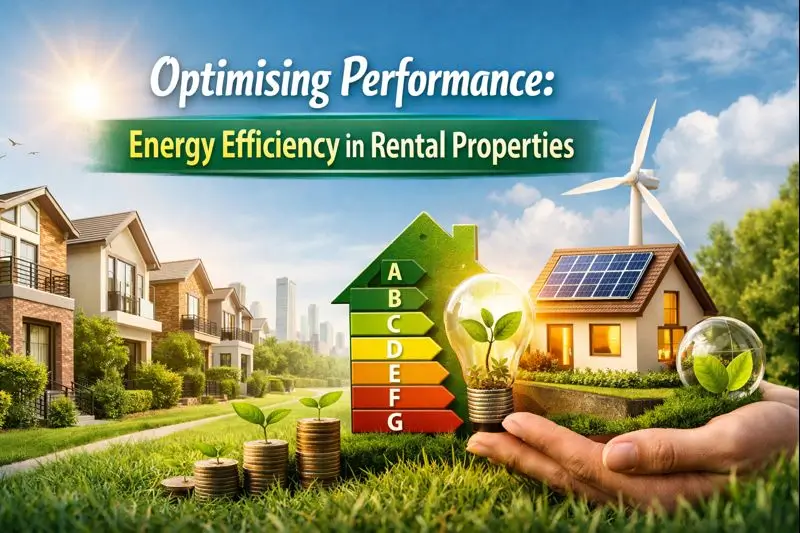
The 3 things that have the biggest impact on the rating of the EPC are:
· The main fuel source (ie gas, electric, oil, lpg etc)
· The levels of insulation in the property
· The heating system and controls
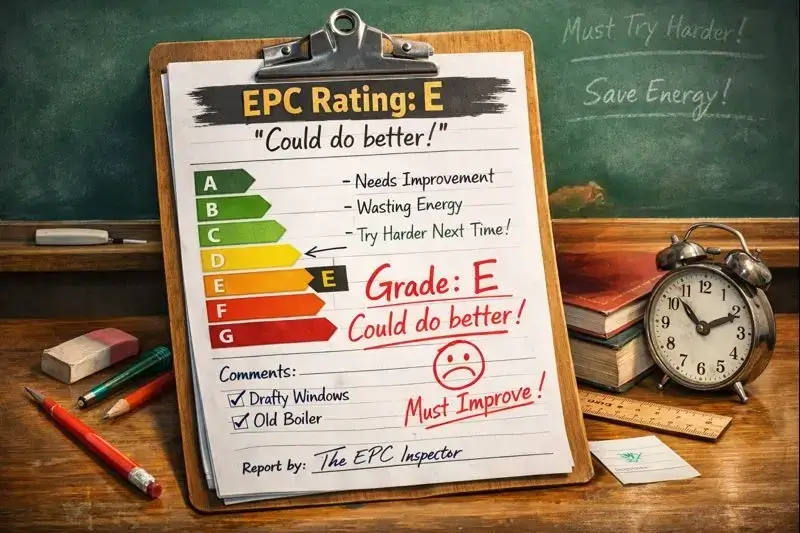
For a property to be in EPC band E means it’s probably rating poorly on 2 of the items above. If the property is currently an F or G rating, then it probably rates poorly on all 3 and it’s going to have to improve on at least one of these areas.
Importance of Energy Ratings
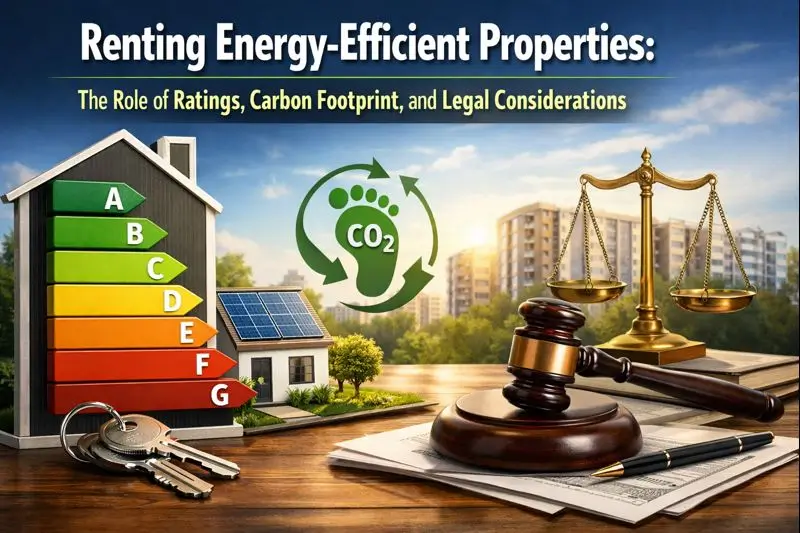
Energy ratings are valuable tools for property owners and prospective buyers or tenants.
Higher energy ratings signify energy-efficient properties that consume less energy, resulting in lower energy bills and reduced environmental impact.
Energy ratings provide transparency and help individuals make informed decisions when renting or purchasing properties, encouraging the demand for energy-efficient spaces.
Benefits of Energy-Efficient Properties
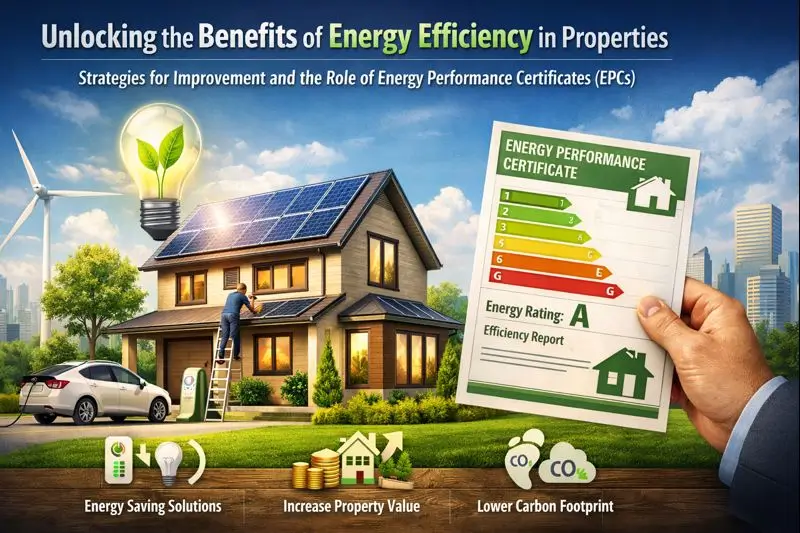
Investing in energy-efficient improvements for properties offers numerous benefits. Property owners can enjoy reduced energy bills, increased property value, and enhanced marketability.
Energy-efficient properties provide improved comfort, healthier indoor environments, and increased tenant or occupant satisfaction.
Additionally, energy-efficient properties contribute to global sustainability efforts by reducing carbon emissions and conserving natural resources.
Government Incentives and Support
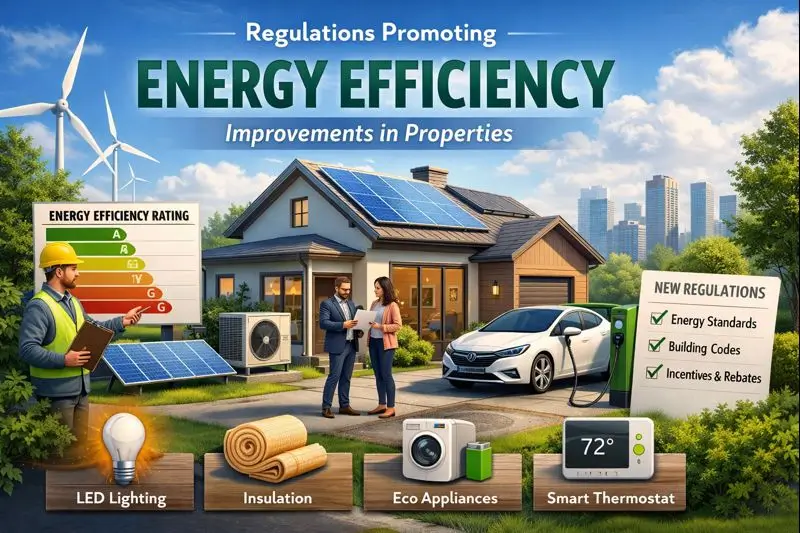
Governments and local authorities often offer incentives and support to promote energy-efficient properties.
These can include grants, tax credits, and financial assistance programs specifically designed to encourage energy efficiency improvements.
Property owners can take advantage of these opportunities to offset the costs of implementing energy-efficient measures and accelerate the transition towards a greener future.